
Lucas Faria
Growing up reselling sneakers taught me the value of data-driven decisions and market insights. Surrounded by technology and programs, I decided to dive into programming myself—and I fell in love with it. Now I build intelligent systems that turn data into actionable insights, combining AI, machine learning, and software engineering to solve complex problems.
About
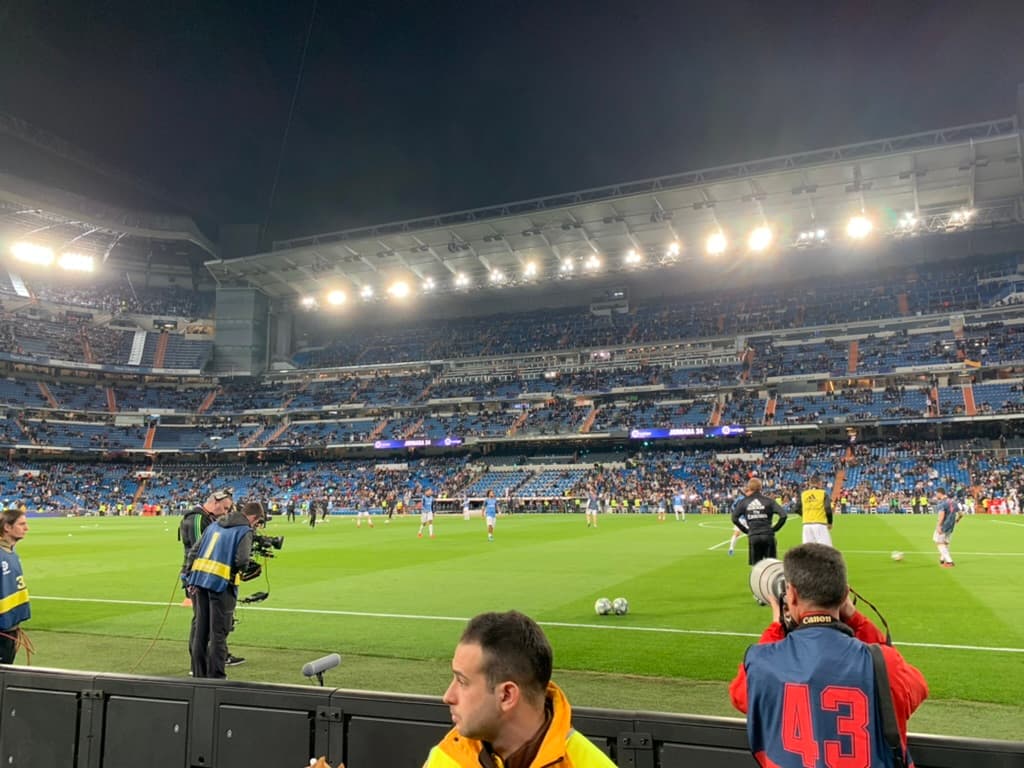
I love to work out, especially weight lifting. I also love to do deep dives into nutrition so I can get the most out of my food. I've recently picked up running since that was a skill I've always been interested in, but when I was younger I wasn't too good at distance running. I grew up playing soccer all of my life and I'm a big fan of Real Madrid—I've been since 2010, so I'm not here to ride the bandwagon! (Just kidding.)
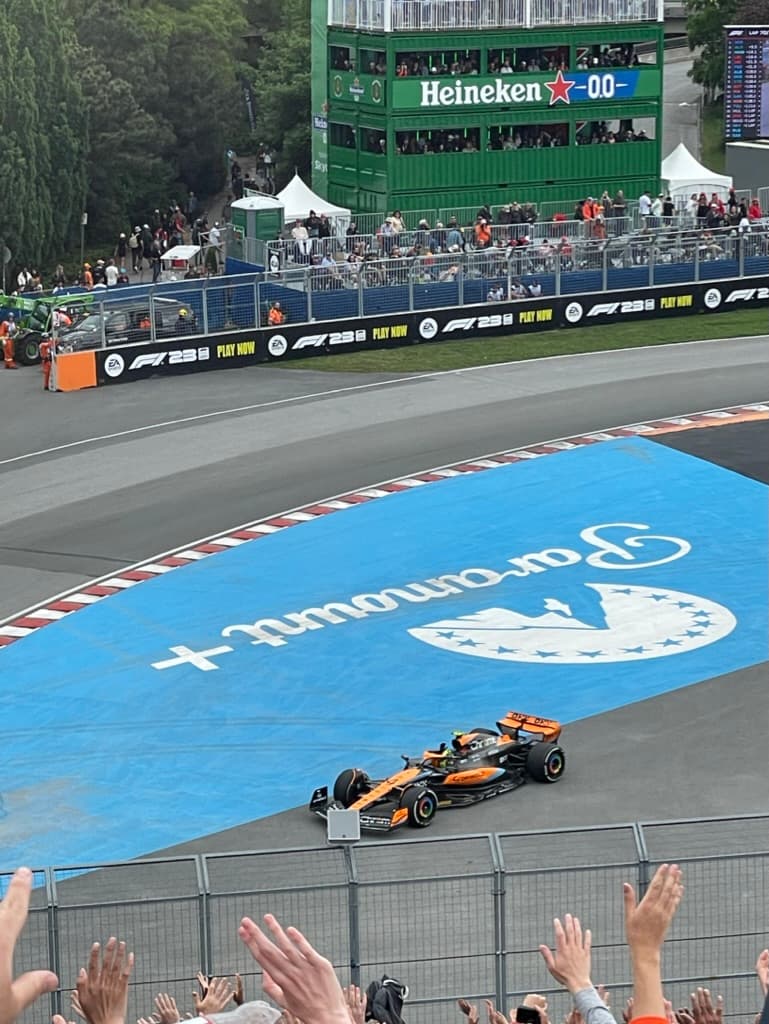
I also really enjoy F1. One of my favorite memories is going to watch F1 Montreal 2023—I had a blast. I'm also very into sneakers and fashion. Although I'm not the most fashionable person, I do love the work that goes into it and I enjoyed the hype around brands like Supreme, BAPE, and the sneaker collabs with Off-White x Nike. Those were a huge part of my teen years and I cherish them. It's actually what got me into programming!
Work Experience
Education
Recent Projects & Publications
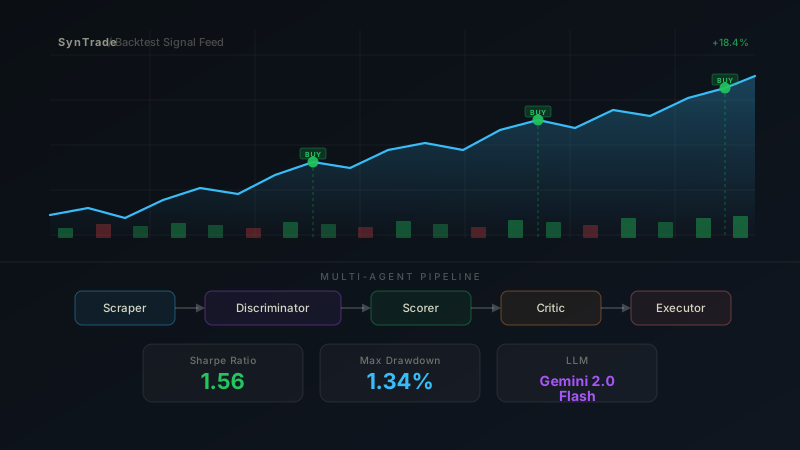
SynTrade: A Hybrid Multi-Agent Trading System
A modular multi-agent pipeline consisting of five specialized agents (Scraper, Discriminator, Scorer, Critic, and Executor) that integrates Gemini 2.0 Flash for qualitative sentiment extraction from financial news and LightGBM classifiers to calibrate signal probability scores. Engineered a rule-based Verifier Critic to detect signal contradictions, reducing maximum drawdown to 1.34% and achieving a 1.56 Sharpe Ratio through backtesting with Backtrader. Presented in Savannah, Georgia (April 2026).
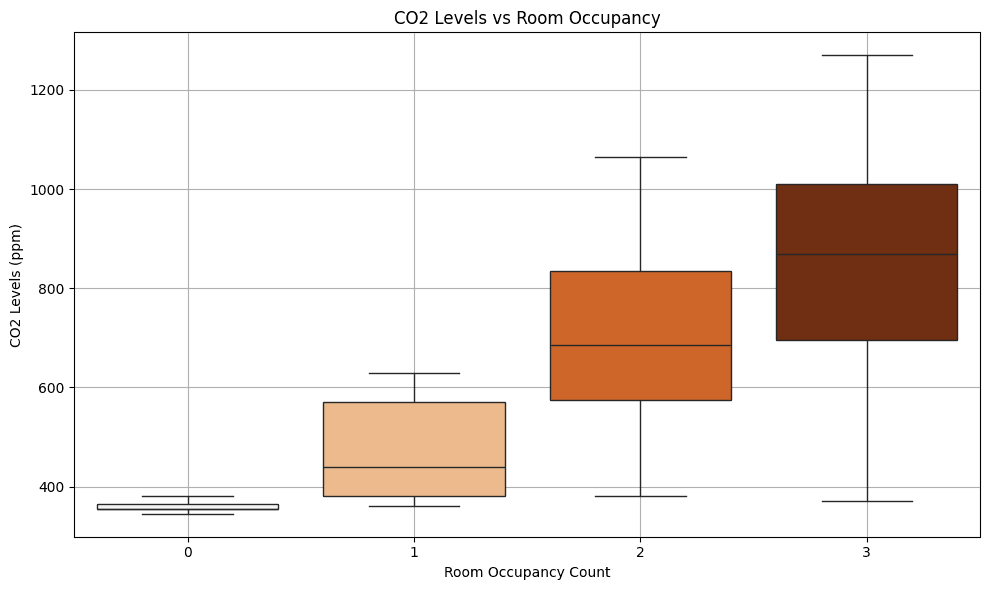
Room Occupancy Prediction Using Environmental Sensors
Research project that engineered machine learning models using environmental sensor data (CO₂, temperature, PIR motion, sound, light) to classify room occupancy, achieving over 99% accuracy using Random Forest, XGBoost, and Extra Trees. Performed exploratory data analysis on a dataset with 10,000+ instances, generating heatmaps, violin plots, and box plots to evaluate feature correlations. Co-authored a formal research paper analyzing model performance and visualizing sensor relationships, presented for academic submission under IEEE-style formatting.
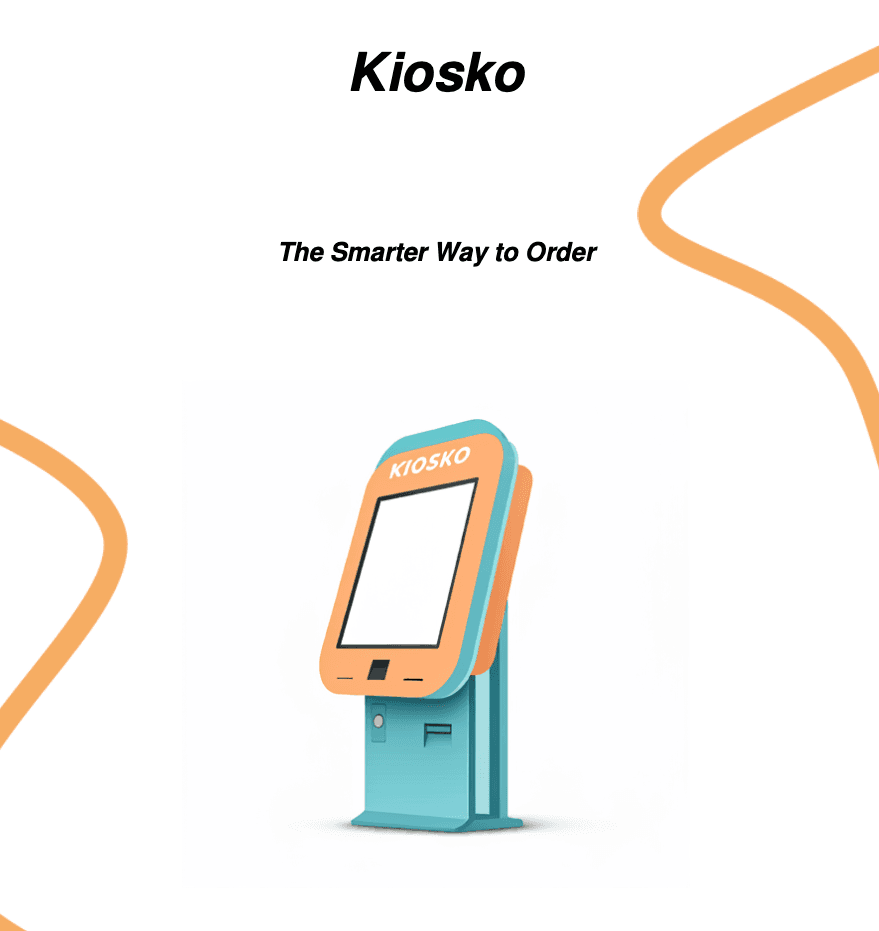
Kiosko: The Smarter Way to Order
Full-stack web application developed for Sacred Heart University's dining system to streamline the ordering process and reduce wait times. Built a Flask-based platform with personalized meal recommendations based on previous orders, allowing students to bypass up to 10 customization windows for faster checkout. Implemented user authentication, order history tracking, inventory management with real-time stock updates, and data collection for peak time analysis. The system provides recommendations using order frequency algorithms and enables quick reordering of previous purchases, significantly improving customer satisfaction and operational efficiency.
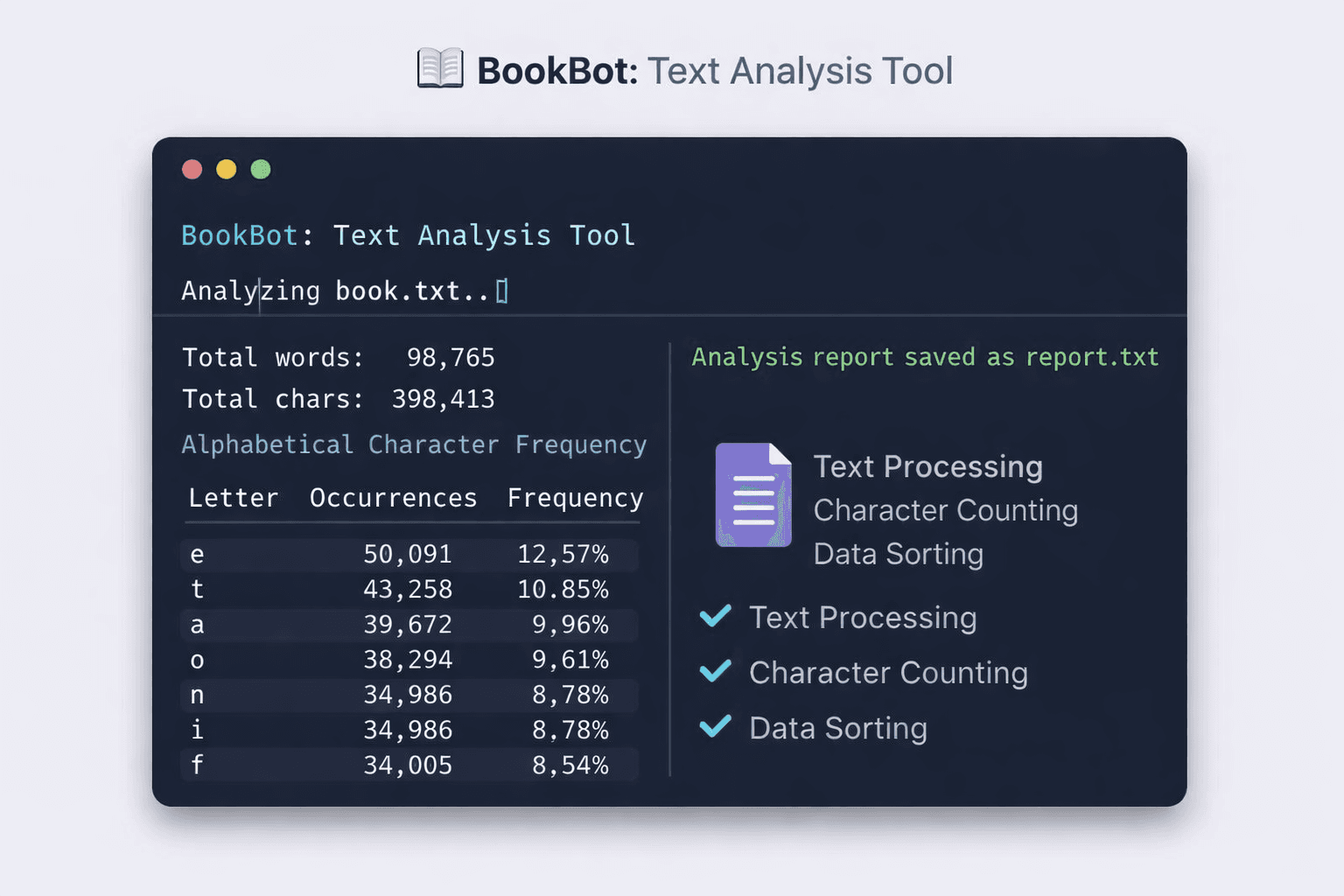
BookBot: Text Analysis Tool
Command-line text analysis application that processes book files and generates comprehensive reports. Analyzes text files to count total words and calculate character frequency for alphabetical characters. Implements modular design with separate functions for text processing, character counting, and data sorting. Generates formatted reports displaying word counts and character frequency sorted by occurrence, useful for literary analysis and text processing tasks.

Asteroids: Classic Arcade Game
A classic Asteroids-style arcade game built with Python and Pygame. Features player-controlled ship movement, asteroid physics with collision detection, shooting mechanics, and a complete game loop. Implemented modular object-oriented design with separate classes for player, asteroids, shots, and game state management. Includes screen wrapping, sprite groups for efficient rendering, and event logging for game analytics. Built with clean code architecture and extensible design for future enhancements like scoring, power-ups, and sound effects.
Get in touch
If you would like to get in touch: